




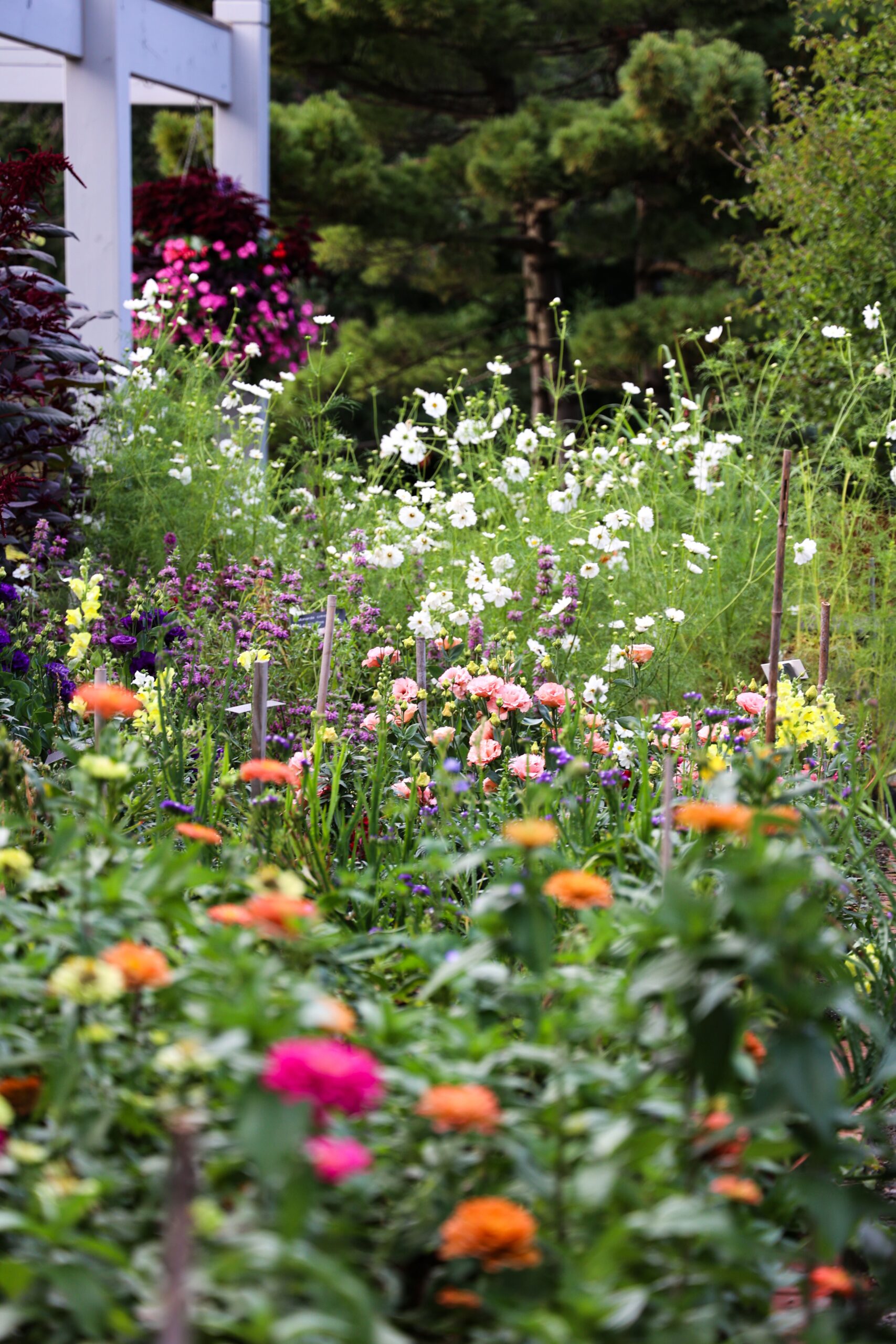
Beautiful blooms. Hidden dangers.
Whether they’re digging up bulbs, chewing leaves, catching falling berries or simply carrying a stick around the garden, dogs and cats don’t always know what’s safe to eat… and unfortunately, many popular garden and houseplants can make them seriously ill.
Is your garden the safe haven you think it is?
A colourful garden is great for people, but for curious pets it can sometimes become an unexpected buffet.
Whether they’re digging up bulbs, chewing leaves, catching falling berries or simply carrying a stick around the garden, dogs and cats don’t always know what’s safe to eat… and unfortunately, many popular garden and houseplants can make them seriously ill.
The good news? Knowing what to look out for can help keep your pet out of trouble.
Natural’ doesn’t always mean safe.
Many of the plants we happily grow in our gardens have developed toxins to protect themselves from being eaten.
Those same toxins can affect our pets too.
Some plants cause little more than an upset stomach, while others can affect the heart, kidneys or nervous system. In some cases, even small amounts can become an emergency.
Some of the most common toxic plants…
You don’t need to panic every time your dog sniffs a flower, but it’s worth knowing about some of the more common offenders.
🌸 Lilies (Cats)
If you own a cat, lilies deserve a special mention.
Many true lilies and daylilies can cause severe kidney damage in cats, even after chewing a leaf, brushing against pollen or drinking water from a vase containing lilies.
If you think your cat has had any contact with a lily, contact your vet immediately.
🟣 Foxgloves
Those tall purple flowers may look stunning in cottage gardens, but they contain substances that can affect the heart.
Signs may include:
- Vomiting
- Weakness
- Collapse
- Abnormal heart rhythm
🌼 Daffodils and Tulips
Spring bulbs are particularly tempting to dogs who enjoy digging.
The bulbs contain the highest concentration of toxins and can cause:
- Vomiting
- Drooling
- Diarrhoea
- Lethargy
Larger ingestions can cause more serious problems.
🌳 Yew
Yew hedges are common throughout the UK, yet every part of the plant is highly toxic.
Chewing even small amounts can lead to severe heart problems and may become life-threatening very quickly.
🌼 Laburnum
The bright yellow flowers may be beautiful, but the seeds are especially dangerous.
Ingestion can cause:
- Vomiting
- Tremors
- Seizures
🌿 Rhododendrons and Azaleas
These popular shrubs contain toxins that can affect the heart and nervous system.
Even relatively small amounts can cause severe illness in pets.
Houseplants count too!
Not all dangers are outdoors.
Common indoor plants such as:
- Monstera
- Peace Lily
- Devil’s Ivy (Pothos)
- Philodendron
- Dieffenbachia (Dumb Cane)
These can all cause painful mouth irritation, drooling, swelling and vomiting if chewed.
Watch for these warning signs
Different plants affect the body in different ways, but common signs of poisoning include:
- Vomiting or diarrhoea
- Excessive drooling
- Pawing at the mouth
- Difficulty swallowing
- Lethargy or weakness
- Tremors or seizures
- Collapse
- Changes in breathing
- Not wanting to eat
Sometimes symptoms appear quickly.
Other toxins can take several hours before signs develop, so don’t assume everything is fine just because your pet looks normal immediately after eating a plant.
Prevention is always easier than treatment
You don’t need to replace your entire garden, but a few simple precautions can make a big difference.
✔ Learn which plants you already have.
✔ Choose pet-friendly alternatives when buying new plants.
✔ Fence off or remove particularly dangerous species where possible.
✔ Supervise curious puppies and kittens outdoors.
✔ Clear up fallen bulbs, berries, flowers and leaves.
✔ Remember that indoor plants should be kept out of reach too.
What should I do if I think my pet has eaten something it shouldn’t have?
These instances require immediate action from you as a pet owner to minimise the risk of any serious consequences. Your vet only has a short, limited time frame to try to minimise the absorption of poisons before they can cause harm and so an immediate appointment is essential and potentially life-saving. Follow the simple steps on this page and always remember the word S.P.E.E.D in the future.
S Stop access to any poison
It may seem obvious but can the pet get hold of any more of the substance (i.e. if it’s in your garden)? If so keep your pet away from anything you suspect as dangerous.
P Phone the vet
This is an emergency and must be dealt with immediately.
E Emergency appointment
You cannot ‘wait and see’ with poisons as many do not affect your pet straight away and some can take several days to show symptoms, all the while doing damage to the inside before you see signs on the outside. Getting your pet seen immediately gives you the best chance to get effective treatment for your pet before you reach a potential point of no return.
E Evidence
Knowing what the potential poison is will really help your Vet make a rapid diagnosis and create the best treatment protocol for a successful recovery. If you have a label of the substance, bring it. If you don’t have a label but have access to the substance then bring a sample to the vet for testing (only if it is safe to do so and you are not putting yourself or anyone else in danger). If you don’t have a label or a sample but you animal has been sick, then bring a sample of this with you (if safe to do so) as the ingredient may be present in the vomit. If you don’t have access to any of these then don’t worry as your pet’s blood can be tested.
D Don’t delay!
You cannot afford to wait, act now!